
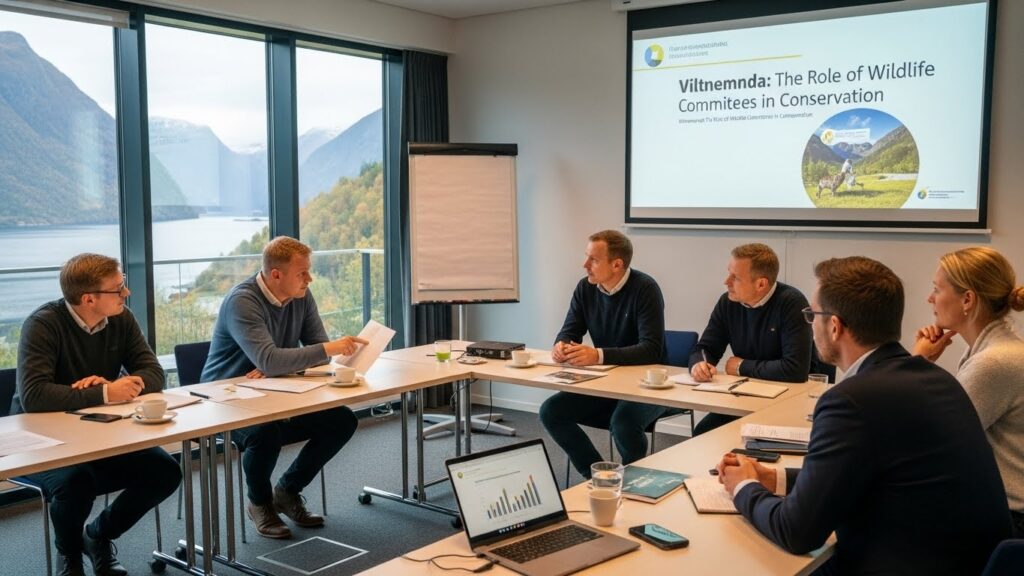
Imagine a world where wildlife thrives, ecosystems flourish, and human activity harmonizes with nature. This vision is not just a dream; it’s the mission of Viltnemnda—wildlife committees dedicated to preserving our natural heritage. These groups play an essential role in safeguarding biodiversity while managing the delicate balance between conservation and community needs. Understanding their impact can shed light on how we all can contribute to a sustainable future for both wildlife and ourselves. Join us as we explore the fascinating world of Viltnemnda and uncover how these committees are shaping conservation efforts today.
History and Purpose of Wildlife Committees
Wildlife committees, known as Viltnemnda in Norway, have a rich history tied to the need for sustainable wildlife management. Established in the early 20th century, these committees emerged from increasing concerns about balancing wildlife preservation with hunting rights.
The main purpose of Viltnemnda is to oversee and regulate local wildlife populations. They serve as vital links between governmental bodies and local communities. This collaboration helps ensure that conservation efforts are practical and culturally relevant.
Over time, Viltnemnda has adapted its approach to address new challenges like climate change and habitat loss. The commitment remains rooted in promoting biodiversity while respecting traditional practices related to hunting and land use.
Through education and outreach, these committees work tirelessly to raise awareness about local ecosystems. Their role extends beyond regulation; they inspire communities to take an active part in protecting their natural heritage.
Functions and Responsibilities of Viltnemnda
The functions of Viltnemnda are diverse and vital for wildlife management. These committees play a crucial role in monitoring wildlife populations, ensuring that species remain sustainable within their natural habitats.
They conduct assessments to evaluate the health of ecosystems, identifying areas needing intervention or protection. This data-driven approach helps guide conservation efforts effectively.
Additionally, Viltnemnda is responsible for managing hunting regulations. They set quotas and seasons designed to balance animal populations with environmental needs.
Education is another key responsibility. By raising awareness about local wildlife issues, they engage communities in conservation initiatives and foster a sense of shared responsibility towards nature.
Collaboration is essential too. Working alongside government agencies and non-profit organizations enhances their ability to implement effective strategies tailored to specific regional challenges.
Success Stories and Impact on Conservation Efforts
Success stories of Viltnemnda highlight the effective collaboration between local communities and wildlife management. These committees have led initiatives that restored habitats, resulting in increased biodiversity.
One notable project involved reintroducing native species in areas where they had dwindled. This effort not only revitalized ecosystems but also engaged local populations who became stewards of their environment.
Additionally, various educational programs spearheaded by Viltnemnda have helped raise awareness about sustainable practices. Workshops and community events foster a sense of responsibility towards wildlife conservation.
The impact is evident; regions with active wildlife committees report healthier animal populations and improved land stewardship. Communities thrive when empowered to protect their natural resources.
These successes demonstrate how grassroots efforts can make significant strides in conservation, serving as models for similar initiatives worldwide.
Challenges Faced by Wildlife Committees
Wildlife committees, including Viltnemnda, encounter various challenges that can hinder their effectiveness. One significant issue is the ongoing conflict between conservation efforts and local interests. Balancing the needs of communities with wildlife protection often leads to tension.
Funding is another critical obstacle. Many committees operate on limited budgets, which can restrict their ability to implement necessary programs or conduct research. Without adequate financial support, achieving long-term conservation goals becomes increasingly difficult.
Additionally, public awareness plays a crucial role in success. Misunderstandings about wildlife management and conservation strategies can create resistance among stakeholders. Education efforts are essential but often underfunded.
Climate change poses an ever-present threat that complicates wildlife management strategies. Shifting ecosystems require adaptable approaches that many committees may struggle to develop due to resource constraints or lack of technical expertise.
The Future of Viltnemnda and Its Role in Conservation
The future of Viltnemnda appears promising as conservation efforts evolve. With increasing awareness about biodiversity, these committees are poised to play a crucial role.
As climate change continues to impact ecosystems, Viltnemnda will need to adapt its strategies. This means using innovative technologies and data-driven approaches for wildlife management.
Collaboration is key. Building partnerships with local communities can enhance conservation initiatives, ensuring that everyone has a stake in protecting natural habitats.
Education will also be vital. Engaging the public through outreach programs can foster a deeper understanding of wildlife issues and promote sustainable practices.
The success of Viltnemnda hinges on its ability to navigate challenges while remaining committed to preserving wildlife for generations ahead. The journey promises both trials and triumphs as they work tirelessly towards this important goal.
Conclusion
The role of Viltnemnda in wildlife conservation is crucial. These committees serve as a bridge between communities, government bodies, and environmental organizations. Their efforts not only help preserve biodiversity but also foster sustainable practices that benefit both nature and society.
As challenges mount—such as habitat loss, climate change, and human-wildlife conflicts—the work of Viltnemnda becomes even more pertinent. The future will require adaptive strategies and collaboration across various sectors to ensure that wildlife thrives alongside growing human populations.
Engagement with local communities plays a vital part in this mission. By educating the public about the importance of wildlife conservation, these committees inspire collective action for protecting natural habitats.
Looking ahead, there’s great potential for innovation within the framework of Viltnemnda. With ongoing support from stakeholders at all levels, these committees can continue to make significant strides in safeguarding our planet’s precious ecosystems.
The commitment to preserving our wildlife ensures that future generations inherit a world rich in biodiversity—a testament to the dedicated efforts of those who serve on Viltnemnda around the globe.