
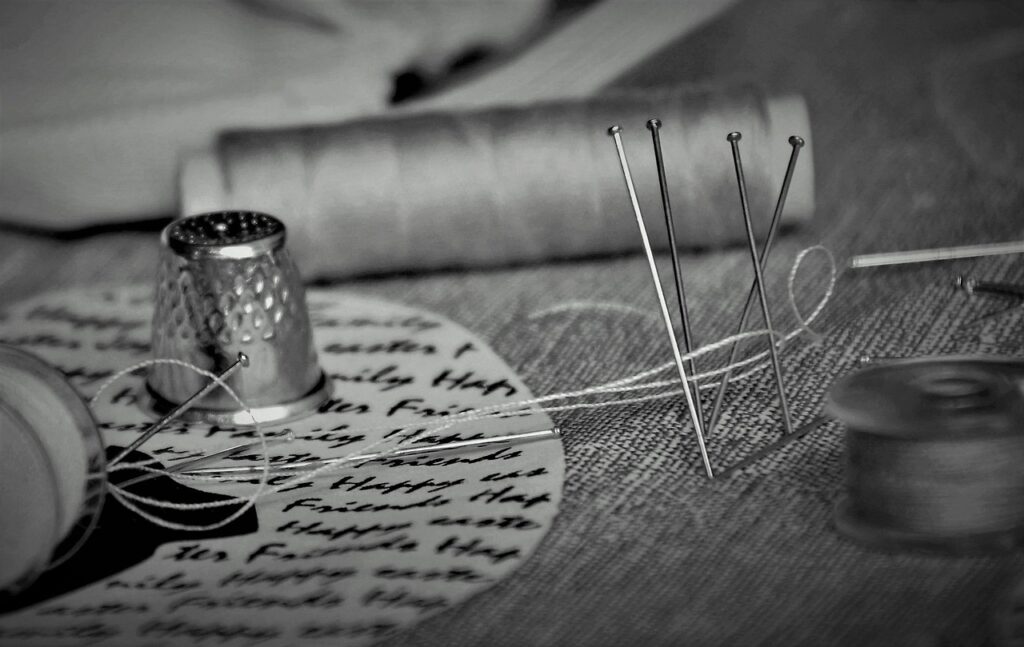
Sewing is an art that combines creativity with technical skills, and understanding the different Nahttypen—or seam types—can elevate your projects to new heights. Whether you’re a beginner or an experienced sewist, knowing how to choose and execute seams effectively can make all the difference in achieving professional-looking results. From simple stitches to intricate designs, each seam type serves a unique purpose and adds character to your fabric creations. Imagine stitching together a beautiful garment or crafting home décor items that stand out for their quality. The right seam not only enhances durability but also influences the overall aesthetic of your work. In this guide, we’ll explore various seam types, giving you insights into when and how to use them effectively. Get ready to dive deep into the world of sewing as we discover tips, techniques, and common pitfalls associated with Nahttypen!
Understanding Basic Seam Types
When diving into the world of Nahttypen, understanding basic seam types is crucial. Each seam serves a specific purpose and can drastically affect your project’s outcome. The straight stitch is a fundamental choice for most sewing tasks. It creates a strong hold and works well on woven fabrics. Another important type is the zigzag stitch, which adds stretch to seams. This makes it perfect for knit fabrics that require flexibility without compromising strength. The French seam offers an elegant finish by encasing raw edges within itself. It’s ideal for lightweight or sheer materials where durability meets aesthetics. The flat-felled seam provides extra strength and neatness, often used in denim garments like jeans. Its construction hides raw edges while ensuring longevity. Understanding these basics lays the groundwork for more advanced techniques down the line.
Advanced Seam Types for Different Fabrics
Advanced seam types allow you to tailor your sewing projects according to fabric characteristics. For instance, the French seam is ideal for sheer fabrics. It encloses raw edges effectively, giving a polished finish. When working with knits, consider using the stretch stitch or zigzag seam. These seams provide flexibility and prevent tearing during wear. For heavier fabrics like denim, the flat-felled seam offers both strength and durability. This type of seam keeps raw edges hidden while ensuring that garments can withstand daily use. If you’re dealing with leather or vinyl, opt for a welted seam. It not only adds an interesting design element but also enhances stability in thicker materials. Experimenting with these advanced nahttypen opens up endless possibilities in your creative journey! Each type serves unique functions based on textile needs and project requirements.
Tips for Choosing the Right Seam Type
Choosing the right seam type can significantly affect your sewing project. Start by considering the fabric you’re using. Heavier materials like denim or canvas benefit from strong seams, while lighter fabrics may require more delicate options. Think about the purpose of your item. If it’s for everyday wear, a flat-felled seam offers strength and durability. For garments that need to stretch, such as activewear, opt for a stretch stitch. Don’t forget aesthetics either. Some seams are designed to be visible and add character to your design, while others should remain hidden for a clean finish. Test different seams on fabric scraps before starting on your main project. This will help you understand how each seam behaves with your chosen material and ensure you achieve the desired look and functionality in your finished piece.
Techniques for Sewing Different Seams
Sewing different seams requires a blend of technique and precision. Start with the basic straight stitch for simple seams, ensuring your fabric is aligned correctly. Keep an even tension on the fabric as you sew. For curved seams, employ a technique known as clipping. This involves making small cuts along the seam allowance to allow the fabric to bend without puckering. If you’re working with stretchy fabrics, opt for a zigzag stitch or a serger. These stitches provide elasticity while preventing fraying. When sewing French seams, begin by enclosing raw edges within another seam. This creates a polished look ideal for sheer fabrics. Don’t overlook pressing your seams open or to one side after sewing; it helps in achieving neat and professional results. Experimenting with these techniques will empower you to tackle various projects confidently.
Common Mistakes to Avoid in Sewing Seams
Sewing seams can be a rewarding experience, but several common mistakes can derail your progress. One frequent error is not pre-washing fabric, which may lead to shrinkage and distortion after the first wash. Another pitfall is using the wrong needle for your fabric type. A universal needle isn’t always suitable for delicate materials like silk or heavy fabrics like denim. Choosing the right one ensures clean stitches and prevents damage. Misaligning fabric edges during sewing often results in uneven hems. Take the time to pin or baste pieces together before committing to stitching. Neglecting seam allowances can cause fit issues down the line. Always follow pattern instructions carefully to ensure you leave enough space for seams without compromising your design’s integrity.
Conclusion: Experimenting with Nahttypen to Elevate Your Sewing Projects
Experimenting with Nahttypen can truly elevate your sewing projects. Understanding the different seam types not only enhances the aesthetic appeal of your work but also improves its durability and functionality. By trying out various seams, you can discover which ones best suit your fabric choices and project goals. Whether you’re working on a simple garment or an intricate quilt, applying the right seam type makes all the difference. Don’t hesitate to mix and match techniques as you grow more confident in your skills. The world of Nahttypen is vast, offering endless opportunities for creativity in every stitch. Embrace this journey, explore new seams, and watch how they transform your sewing endeavors into beautiful pieces that reflect your personal style.
Related Articles
- Tumbons: What They Are and Why You Need One
- Fappelo: From Concept to Popular Platform
- Lotology: Understanding the Basics and Beyond
Editorial Note: This article was researched and written by the Brentwood Tacos editorial team. We fact-check our content and update it regularly. For questions or corrections, contact us.
Related read: 9 Tips for Preventing Packaging Errors.