
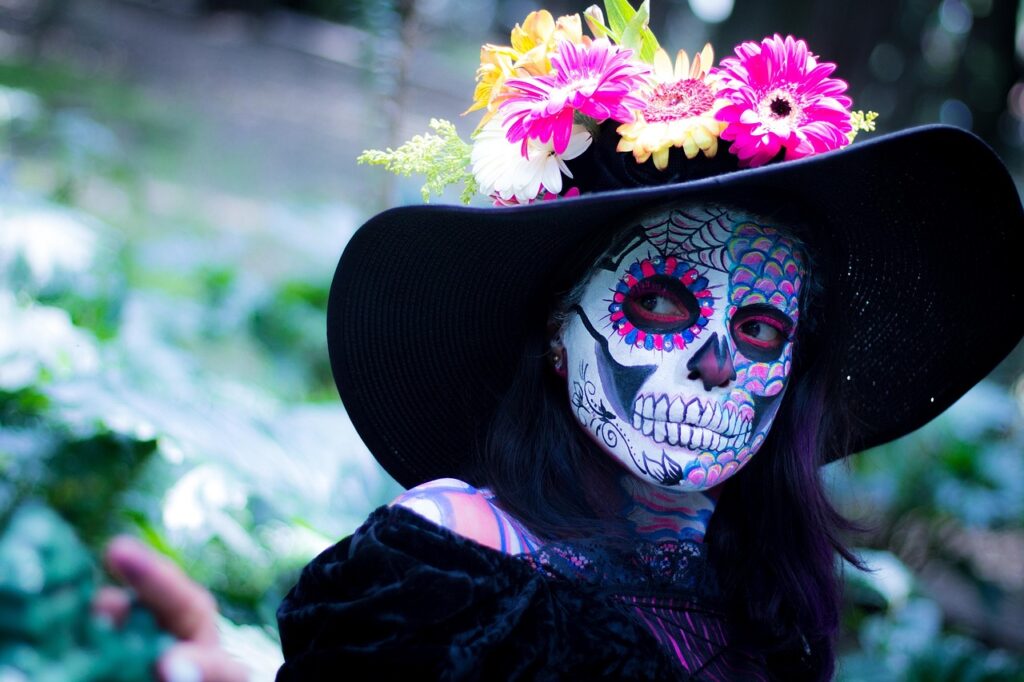
Tucked away in the rich mix of cultural traditions lies Đeman, a practice steeped in history and significance. While many may not be familiar with this unique tradition, it holds a special place in the hearts of those who celebrate it. Đeman is more than just an ancient custom; it’s a way to connect with our roots and foster community ties. As we navigate through modern life, rediscovering practices like Đeman can bring both comfort and joy. Join us as we explore its origins, traditional rituals, contemporary adaptations, and the myriad ways you can incorporate this meaningful tradition into your everyday life. Let’s start this journey together!
What is Đeman?
Đeman is a cultural tradition that embodies the essence of community and togetherness. It originates from ancient practices, reflecting shared values and beliefs passed down through generations. At its core, Đeman involves gatherings where individuals come together to engage in rituals, storytelling, and communal activities. These events often emphasize connection—both with one another and with the past. The beauty of Đeman lies in its adaptability. While it maintains deep historical roots, it can also evolve alongside modern lifestyles. This makes it accessible to new generations seeking meaningful ways to celebrate their heritage. In many regions where Đeman is practiced, you’ll find lively music, traditional attire, and delicious homemade dishes that enhance the experience. Each element serves as a reminder of the rich history behind this cherished custom while fostering bonds within communities today.
History and Cultural Significance
Đeman has deep roots in the cultural fabric of various communities. Historically, it emerged as a way to bring people together during significant life events. These gatherings fostered a sense of belonging and identity. The practice is often intertwined with rituals that mark transitions—births, weddings, and seasonal celebrations. Each Đeman event reflects the unique customs and traditions of its region, showcasing local art forms through music, dance, and storytelling. The significance extends beyond mere festivities; it’s about preserving heritage. Elders pass down stories associated with these events, ensuring that younger generations remain connected to their ancestry. In many cultures where Đeman thrives, it serves as a vital link between past and present. It’s a reminder of shared values and communal bonds that continue to shape identities today. As societies evolve, so does the interpretation of Đeman while keeping its core spirit alive.
Traditional Đeman Practices
Traditional Đeman practices are deeply rooted in community and spirituality. They often involve rituals that honor ancestors and celebrate the cycles of nature. These gatherings provide a sense of belonging, woven through shared stories and experiences. Central to Đeman is music, frequently accompanied by dancing. The rhythmic sounds echo cultural heritage while uniting participants in joyous expression. Traditional attire enhances this experience, symbolizing identity and pride. Food plays a vital role too. Special dishes are prepared during these occasions, reflecting local ingredients and culinary customs. Sharing meals fosters connections among families and friends. Plus, storytelling serves as an essential practice within Đeman culture. Elders pass down wisdom through tales filled with lessons about life, love, and resilience. This oral tradition nurtures respect for history while inspiring younger generations to keep the spirit alive. Such practices not only celebrate tradition but also reinforce bonds within communities across time.
Modern Adaptations of Đeman
In recent years, Đeman has seen a remarkable transformation. The traditional practices have evolved to fit contemporary lifestyles, making it more accessible. Yoga studios and wellness centers are integrating Đeman principles into their classes. This fusion enhances mindfulness practices while honoring the rich heritage of Đeman. Social media is also playing a vital role in its adaptation. Influencers share tips on practicing Đeman at home, creating an online community that keeps traditions alive in new ways. Plus, workshops focusing on mental health incorporate aspects of Đeman to promote well-being. These events attract diverse audiences eager to explore this cultural gem. Artistic expressions have emerged too; modern artists draw inspiration from the aesthetic elements of Đeman rituals. These adaptations breathe new life into ancient customs without losing their essence or significance.
Benefits of Practicing Đeman
Practicing Đeman offers numerous benefits that enhance both mental and physical well-being. One of the most significant advantages is its ability to foster a sense of community. Engaging in this tradition brings people together, creating strong bonds among participants. Plus, Đeman encourages mindfulness. The rituals involved require focus and presence, which can help reduce stress levels significantly. This mindful approach allows individuals to reconnect with themselves amidst life’s chaos. Additionally, practicing Đeman promotes cultural awareness. By immersing oneself in this rich tradition, practitioners gain a deeper understanding of their heritage and values. It serves as an excellent platform for personal growth. Through participation, individuals often discover new skills or talents they didn’t know they possessed while building confidence in expressing their identity within the framework of culture.
How to Incorporate Đeman into Daily Life
Incorporating Đeman into your daily routine can be both simple and enriching. Start by setting aside a specific time each week to engage in traditional practices, such as storytelling or music. This not only fosters appreciation but also connects you with the cultural roots of Đeman. Consider blending elements of Đeman into family gatherings. Share anecdotes from its history or organize themed meals featuring traditional dishes. These moments create a sense of community and continuity. Another way is to embrace mindfulness through Đeman-inspired rituals. Take quiet moments for reflection inspired by the values it embodies—honor, respect, and togetherness—in your work or personal life. Even small gestures count; hang artwork that reflects Đeman’s themes around your home. Each piece serves as a reminder of the tradition’s significance while inviting conversations about culture and heritage among friends and visitors alike.
Preserving and Celebrating the Tradition of Đeman
Preserving Đeman requires a collective effort from communities and individuals alike. Engaging the younger generations is crucial. Teaching them about its history, stories, and significance keeps this tradition alive. Community gatherings play an essential role in celebrating Đeman. Festivals centered around traditional practices not only revive interest but also foster connections among participants. These events can feature music, dance, and storytelling that encapsulate the essence of Đeman. Social media provides a platform to share experiences related to this practice. By posting videos or images of celebrations, more people become aware and inspired to participate. Collaborating with local artisans ensures that traditional crafts associated with Đeman continue to thrive. Workshops can be organized where skilled craftsmen teach their techniques to interested learners. Every small action counts in preserving this beautiful tradition for future generations while ensuring its relevance today.
Conclusion
Đeman is more than just a cultural practice; it’s a bridge connecting generations. The rich history and significance of Đeman remind us of the values that have shaped communities over time. Traditional practices are adapting, ensuring their relevance in modern society while still honoring their roots. The journey to incorporate Đeman into daily life can be both fulfilling and enriching. Whether through community events or personal rituals, each small step contributes to preserving this vibrant tradition. As we explore innovative ways to celebrate Đeman, we foster appreciation for our heritage and strengthen bonds with others. Embracing Đeman not only honors tradition but also enhances well-being. It invites connection, mindfulness, and joy into everyday moments, making its practice relevant today as it has been throughout history. As we look ahead, it’s essential to keep nurturing these traditions while allowing room for evolution. By doing so, we ensure that Đeman remains alive in contemporary culture—bringing together the past and present in harmony.
Related Articles
- Akrylika: The Versatile Art Medium You Need to Know About
- Startups to Enterprises: Why You Need the Best Web Design
- Yalla Choy: A Culinary Journey Through Flavor and Tradition
Editorial Note: This article was researched and written by the Brentwood Tacos editorial team. We fact-check our content and update it regularly. For questions or corrections, contact us.