
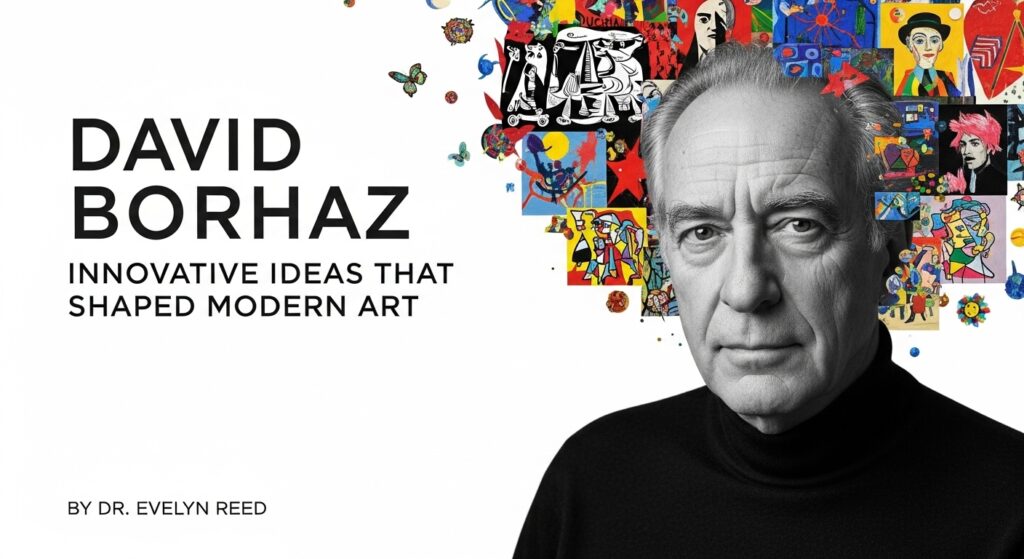
David Borhaz is a name that resonates through the corridors of modern art. His innovative ideas and bold expressions have left an indelible mark on the artistic landscape. With a career spanning several transformative decades, Borhaz challenged conventions and redefined boundaries. The world has been captivated by his unique perspective, which continues to inspire artists today.
What set him apart? It was not just his masterful technique but also his ability to weave complex narratives into every piece he created. As we delve into Borhaz’s life, influences, and contributions, it’s clear that understanding this visionary artist is essential for anyone who appreciates modern art’s evolution. Join us as we explore the extraordinary journey of David Borhaz and uncover how he shaped our visual world.
Early life and influences on Borhaz’s artistic style
David Borhaz was born in a small coastal town, where the vibrant colors of nature surrounded him. The sunsets over the ocean sparked his imagination early on.
His family played a crucial role in shaping his artistic journey. His mother, an amateur painter, introduced him to various techniques and styles. This nurturing environment encouraged creativity.
As a young boy, Borhaz frequently explored local art galleries. He admired works from both classic European masters and contemporary artists alike. Each visit left an indelible mark on his developing style.
Traveling across Europe expanded his perspective even further. Captivated by different cultures and their art forms, he began blending these influences into his own work.
These formative experiences laid the groundwork for what would become a groundbreaking career in modern art.
The rise of Cubism and Borhaz’s role in the movement
Cubism emerged in the early 20th century as a radical departure from traditional perspectives in art. It shattered conventions, offering new ways to interpret reality. David Borhaz became an essential figure in this movement, pushing boundaries and challenging existing norms.
His unique approach involved deconstructing objects into geometric shapes. This technique allowed viewers to see multiple angles simultaneously, creating a dynamic visual experience.
Borhaz collaborated with other prominent artists of the time, exchanging ideas that fueled innovation within Cubism. His works often featured vibrant colors and bold lines that captured the chaotic energy of modern life.
As his style evolved, Borhaz’s ability to infuse emotion into abstract forms set him apart from his peers. He transformed everyday subjects into extraordinary compositions that resonated deeply with audiences across generations.
Exploring the concept of
David Borhaz’s exploration of abstraction was revolutionary. He ventured beyond traditional forms, inviting viewers to rethink perception in art. Instead of representing reality directly, he focused on breaking down shapes and colors into their essence.
This approach allowed for a deeper emotional connection with the audience. Each brushstroke became a dialogue between the canvas and the observer. His pieces were not just images; they were experiences that challenged how we interpret space and form.
Borhaz’s innovative techniques encouraged many artists to experiment with perspective. By shifting away from realism, he opened doors to new interpretations of human emotion and nature itself. This freedom sparked a wave of creativity that continues to influence contemporary artists today.
His work invites us all to engage more critically with art—to see beyond what is presented visually and delve into meaning-making through abstraction.
The influence of African art on Borhaz’s later works
David Borhaz’s later works reveal a profound connection to African art, showcasing a transformative shift in his creative direction. The vibrant colors and rhythmic patterns found in traditional African sculptures inspired him to explore new dimensions within his paintings.
He began integrating elements such as geometric shapes and symbolic motifs, often drawing from the rich storytelling traditions of various cultures across the continent. This fusion led to striking compositions that celebrated both abstraction and representation.
Borhaz’s experimentation with texture also intensified during this period. He layered materials reminiscent of African textiles, adding depth and tactile quality to his pieces. These influences not only enriched his artistic vocabulary but also invited viewers into an immersive experience that transcended cultural boundaries.
Through these innovative adaptations, Borhaz honored the legacy of African artistry while forging his unique path in modern art.
Legacy of David Borhaz and his lasting impact on modern art
David Borhaz’s legacy is not just confined to his own creations. His innovative approaches have paved the way for countless artists who followed. The bold use of color and form that he championed continues to inspire contemporary movements.
His influence extends beyond traditional boundaries, merging various disciplines and encouraging experimentation. Many modern artists cite Borhaz as a crucial reference point in their work, demonstrating how revolutionary ideas can transcend time.
Art institutions around the world celebrate his contributions through exhibitions and retrospectives, ensuring that new generations recognize his significance.
Moreover, the dialogue surrounding his art encourages discussions on culture and identity within the artistic community today. Borhaz’s ability to provoke thought keeps him relevant in ongoing conversations about what modern art can be.
Conclusion
David Borhaz’s journey through the world of modern art is a testament to creativity and innovation. His early experiences shaped his unique artistic vision, influenced by diverse cultures and movements. The rise of Cubism allowed him to experiment with forms and perspectives, leaving an indelible mark on this revolutionary movement.
His later works reflect a profound connection to African art, blending traditional elements with contemporary techniques. This fusion opened new avenues for expression in modern art, inviting viewers to engage with deeper cultural narratives.
Borhaz’s legacy endures today, inspiring generations of artists who strive for authenticity and originality in their work. His contributions continue to resonate within the art community, reminding us that true innovation often arises from an understanding of our roots while embracing the future.
The impact of David Borhaz is undeniable; he reshaped how we perceive and interact with art itself.