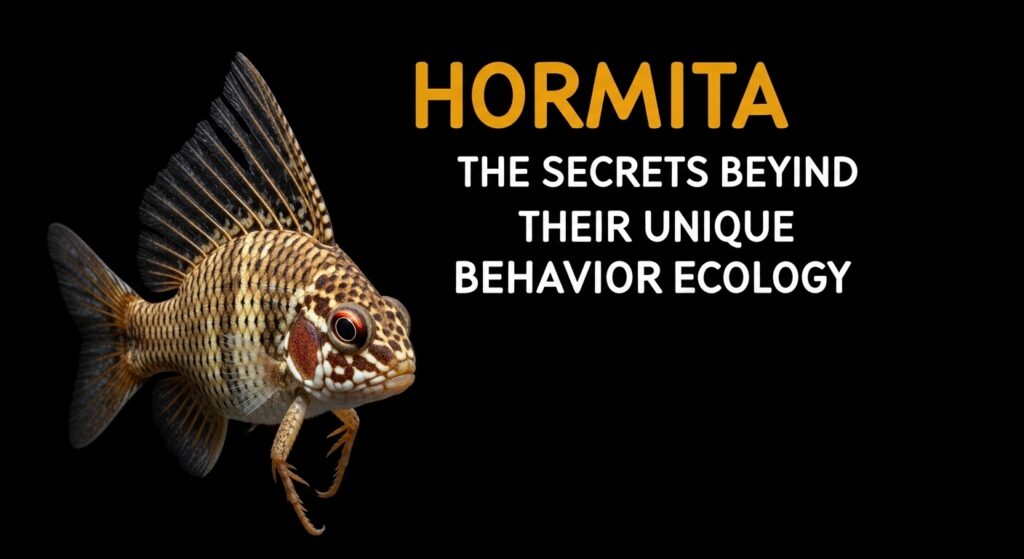
Imagine a world teeming with tiny architects, builders of intricate colonies that stretch across landscapes. Welcome to the enchanting universe of Hormita! These remarkable creatures, often overshadowed by more popular insects like bees and ants, possess fascinating traits and behaviors that deserve our attention. As we delve into their lives, you’ll uncover the secrets behind their communication styles, social structures, and unique adaptations. Get ready to explore an ecosystem where teamwork thrives and survival skills are put to the ultimate test—enter the extraordinary realm of Hormita!
The Role of Pheromones in Hormita Communication
Pheromones are nature’s silent messengers, playing a crucial role in communication. These chemical signals allow Hormita to convey information about food sources, threats, and reproductive status.
When a discovers food, it releases specific pheromones to guide others toward the find. This collective behavior showcases their remarkable teamwork and efficiency in foraging.
Moreover, pheromones also facilitate social interactions within the colony. They help maintain harmony among members by signaling roles and responsibilities. For instance, certain scents indicate whether an individual is a worker or queen.
The subtleties of these chemical cues can even influence mating rituals. Female Hormitas produce distinct pheromones that attract males during breeding seasons.
This intricate system emphasizes not only their complex social structure but also highlights how vital pheromonal communication is for their survival. In the world of Hormita, scent is indeed powerful.
The Social Structure of Hormita Colonies
Hormita colonies are fascinating models of social organization. Each colony operates like a well-oiled machine, with distinct roles for each member.
At the heart of their society lies a queen. This central figure is responsible for reproduction and maintaining the colony’s population. Worker Hormita play crucial roles in nurturing larvae, foraging, and defending their territory.
These workers communicate efficiently through pheromones. Chemical signals help them coordinate tasks and respond to threats swiftly.
Additionally, some Hormita exhibit altruistic behavior. They often sacrifice personal safety for the survival of the colony. This selflessness strengthens community bonds among members.
Within these intricate social structures, conflict resolution also takes place seamlessly. When disputes arise, specific rituals enforce harmony and cooperation without bloodshed.
Such dynamics reveal an extraordinary level of intelligence within these tiny creatures that continually surprises researchers studying them.
Unique Adaptations and Behaviors of Hormita
Hormita display fascinating adaptations that set them apart from other insect species. One of the most remarkable features is their ability to modify their body color based on environmental conditions. This chameleon-like trait helps them blend into their surroundings, evading predators effectively.
Their foraging behavior is equally intriguing. Hormita often engage in cooperative hunting strategies, allowing them to tackle larger prey than they could individually manage. This teamwork showcases not just intelligence but also a strong sense of community.
Furthermore, some Hormita species have developed symbiotic relationships with local flora. They cultivate specific plants that provide nourishment while simultaneously protecting these plants from herbivores. Such interactions highlight the intricate balance within ecosystems where Hormita thrive.
These unique behaviors and adaptations reveal how resilient and resourceful these insects are in navigating complex environments.
Habitat and Diet of Hormita
Hormita thrive in diverse habitats, ranging from lush forests to arid grasslands. These environments provide essential resources for their survival. They often establish colonies in decaying wood or beneath leaf litter, where moisture levels remain stable.
Their diet primarily consists of organic matter, including fungi and decomposing plant material. This allows Hormita to play a crucial role in nutrient cycling within their ecosystem. By breaking down dead matter, they help enrich the soil for other plants and organisms.
Some species have also been observed feeding on small insects or sap from trees. Their adaptability enables them to switch diets based on seasonal availability of food sources. Such versatility is key to their success as a colony-dwelling insect.
Understanding the habitat preferences and dietary habits of Hormita offers insight into how these fascinating creatures fit into the larger ecological picture.
Threats and Conservation Efforts for Hormita
Hormita face various threats that jeopardize their survival. Habitat destruction is a primary concern. Deforestation and urban development encroach on their natural environments, disrupting their colonies.
Climate change also poses significant risks. Altered weather patterns affect food availability and nesting sites. As temperatures rise, the delicate balance of Hormita communities can be thrown into chaos.
Conservation efforts are underway to protect these remarkable insects. Local organizations work tirelessly to preserve habitats vital for Hormita populations. This includes creating protected areas and promoting sustainable land-use practices.
Education plays a key role in conservation as well. Raising awareness about the importance of Hormita in ecosystems encourages community involvement in protecting them.
Research continues to provide insights into their unique behaviors, which can guide future conservation strategies effectively. Encouraging biodiversity helps ensure that Hormita thrive alongside other species in shared habitats.
Conclusion: The Fascinating World of Hormita Revealed
The world of Hormita is filled with intriguing behaviors and complex interactions. Their communication through pheromones showcases a level of sophistication that many may not expect from such small creatures. The social structure within their colonies reveals an intricate hierarchy, allowing for efficient cooperation and survival.
Unique adaptations enable to thrive in diverse environments, showcasing nature’s ingenuity. Their habitat preferences and varied diet illustrate the adaptability essential for their continued existence in changing ecosystems.
However, threats loom large over these fascinating insects due to habitat loss, climate change, and other human-induced factors. Conservation efforts are vital to ensure that future generations can appreciate the unique contributions of to our planet’s biodiversity.
Exploring the secrets behind opens a window into a remarkable ecological narrative—one where every tiny detail plays an important role in the broader tapestry of life on Earth.