
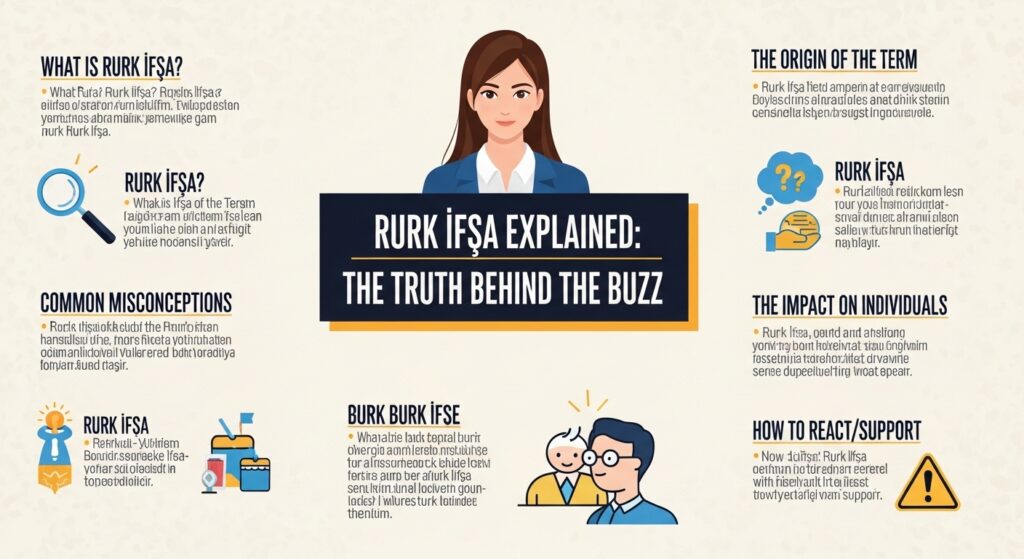
The digital age has brought about incredible advancements, but it also comes with its share of dark corners. One term that’s been buzzing in online discussions is “Rurk İfşa.” This concept has taken the internet by storm, igniting debates on privacy, ethics, and the ramifications of sharing personal information without consent. But what exactly does Rurk İfşa entail? Why is it stirring controversy? And more importantly, how can one navigate this complex landscape safely? Strap in as we unravel the truth behind Rurk İfşa and explore its impact on individuals and society at large.
What is Rurk İfşa?
Rurk İfşa refers to the unauthorized sharing of private information or intimate content about individuals, often without their consent. This practice primarily occurs online, through social media platforms and various websites.
The term itself has gained traction in recent years as incidents involving leaked personal data have surged. Victims may find themselves exposed to public scrutiny and ridicule, leading to severe emotional distress.
At its core, Rurk İfşa raises significant ethical questions about privacy rights and digital responsibility. It underscores the fine line between freedom of expression and the right to protect one’s personal life from unwanted exposure.
Understanding Rurk İfşa is crucial for anyone navigating today’s interconnected world. Awareness can empower individuals to safeguard their own information while also fostering a culture that respects boundaries in both physical and virtual spaces.
The Controversy Surrounding Rurk İfşa
The term Rurk İfşa has sparked intense debate across social media platforms. Many view it as an invasion of privacy, while others argue it’s a form of digital expression.
Critics emphasize the ethical dilemmas involved in sharing personal content without consent. This practice can lead to severe emotional distress for those affected. The anonymity provided by the internet often emboldens individuals to share sensitive material irresponsibly.
On the flip side, supporters claim that Rurk İfşa fosters transparency and accountability among public figures. They believe exposing hidden truths can help challenge societal norms.
However, this perspective fails to address the potential harm inflicted on unsuspecting victims. As discussions intensify, society grapples with balancing freedom of expression against respect for individual rights. The ongoing controversy raises important questions about morality in our increasingly digital world.
Legal Implications of Sharing İfşa Content
Sharing Rurk İfşa content can lead to severe legal consequences. Many countries have specific laws against the distribution of private and explicit materials without consent.
Victims often find themselves in a complex web of legal battles, struggling to reclaim their privacy. This invasion can result in emotional distress, but it also opens doors for litigation.
Fines and imprisonment are possible outcomes for those who choose to share such content irresponsibly. Courts take these matters seriously, especially when minors are involved.
Moreover, platforms hosting this type of material may face sanctions as well. They could be held liable if they do not act quickly to remove offending content.
Understanding the law is crucial for anyone engaging with or sharing digital media today. It’s essential to think twice before hitting that “share” button on any sensitive information online.
The Effect of Rurk İfşa on Society and Individuals
The impact of Rurk İfşa ripples through both society and individual lives. For many, the leaked content feels like a violation, sparking fear and anxiety. Trust in personal relationships often erodes when private moments become public fodder.
Social media plays a significant role in amplifying these incidents. Viral sharing can lead to widespread humiliation for those involved. This not only affects their mental well-being but also shapes societal attitudes toward privacy.
On another level, Rurk İfşa creates a culture of caution. Individuals may second-guess their online presence or shy away from open expression altogether. The threat looms large, influencing behavior in ways that weren’t prevalent before.
Moreover, it raises questions about accountability and ethics within digital spaces. Society grapples with balancing freedom of expression against the right to privacy—a delicate line that continues to challenge norms daily.
Alternatives to Rurk İfşa
As the conversation around Rurk İfşa continues to grow, it’s vital to explore healthier alternatives for sharing personal content.
Platforms that prioritize privacy and consent can offer spaces where individuals feel safe. Consider using trusted social media networks designed with user security in mind. These platforms often have robust guidelines against unauthorized sharing.
Creative outlets like blogs or vlogs allow users to express themselves without compromising their dignity or safety. Here, individuals control what they share and how it’s presented.
Furthermore, educational programs about digital literacy empower people to navigate online spaces more responsibly. They encourage respectful engagement while promoting awareness of potential risks associated with sharing sensitive information.
Emphasizing positive community interactions fosters trust and mutual respect among users, steering clear of damaging practices like Rurk İfşa. By choosing safer paths for expression, society can promote a culture grounded in understanding rather than exploitation.
How to Protect Yourself from İfşa Threats
The digital age has its perks, but it also opens doors to potential threats. To safeguard yourself from ifşa risks, start by reviewing your privacy settings on social media platforms. Limit visibility to trusted friends only.
Be mindful of the content you share online. Think twice before posting personal information or images that could be misused later.
Utilize strong passwords and change them regularly. Consider using a password manager for added security.
Stay vigilant about unexpected messages or requests that seem suspicious. Phishing attempts can lead to serious breaches.
Educate yourself about current trends in online safety and emerging threats related to ifşa activities. Awareness is key in protecting your identity in an increasingly connected world.
Taking these steps can significantly reduce your vulnerability while navigating the complexities of digital interactions.
Conclusion
The topic of Rurk İfşa is undeniably complex and multifaceted. As the digital landscape continues to evolve, so do the conversations around privacy, consent, and accountability. The buzz surrounding Rurk İfşa reflects not only a societal curiosity but also deep concerns about individual rights and the implications of sharing sensitive content.
People often find themselves at a crossroads—caught between their desire for connection in an increasingly digital world and the potential repercussions that come with it. Education on this subject is crucial; understanding what constitutes safe sharing can empower individuals to make informed decisions.
As we navigate these discussions, it’s important to emphasize respect for personal boundaries. Engaging with content responsibly ensures that everyone’s dignity is upheld while fostering a healthier online environment.
Being proactive about one’s own security online will help mitigate risks associated with İfşa threats. Awareness, empathy, and caution are key ingredients in creating a more respectful digital society where all individuals feel safe and valued.
Rurk İfşa serves as both a warning and a call to action: our choices matter greatly in shaping how we interact within our communities—both online and offline.