
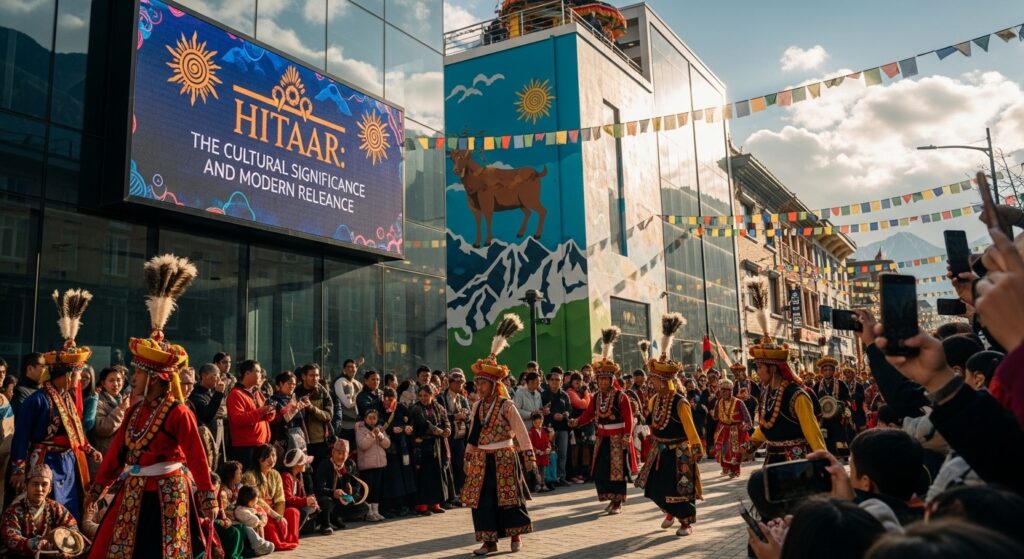
Hitaar is more than just a term; it’s a rich tapestry woven into the cultural fabric of various societies. From ancient rituals to modern-day practices, Hitaar holds significance that transcends time and geography. This fascinating concept invites us to explore its deep-rooted history, traditional uses across cultures, and how it has evolved in today’s world. As we delve into the essence of Hitaar, you’ll discover not only its historical importance but also its relevance in contemporary life. Whether you’re familiar with Hitaar or new to this intriguing subject, there’s much to uncover about its enduring legacy and everyday applications.
History of Hitaar and its Cultural Significance
The history of Hitaar is rich and diverse, deeply woven into the fabric of various cultures. Originating from ancient traditions, it has served multiple purposes throughout the ages. From rituals to celebrations, Hitaar often embodies a connection between communities and their heritage.
In many societies, Hitaar symbolizes unity and strength. It has been used in communal gatherings where storytelling flourished alongside its presence. The act of sharing Hitaar illustrates trust and solidarity among participants.
As time progressed, different cultures adapted Hitaar to reflect their unique customs. This adaptability speaks volumes about its significance in promoting cultural exchanges across regions.
Throughout history, artisans have crafted intricate designs that highlight the craftsmanship involved in creating Hitaar items. Each piece tells a story—an echo of ancestral knowledge passed down through generations. This enduring legacy enriches our understanding of shared human experiences and values globally.
Traditional Uses of Hitaar in Different Cultures
Hitaar, a cherished element in various cultures, has found its way into daily rituals and celebrations. In South Asian traditions, it often graces wedding ceremonies as a symbol of prosperity and unity. The fragrant notes create an inviting atmosphere for guests.
In Middle Eastern cultures, Hitaar serves more than aesthetics; it’s part of hospitality customs. Guests are welcomed with the soothing scent during gatherings, enhancing social bonds.
African communities utilize Hitaar in traditional healing practices. Herbalists blend its essence with local flora to promote wellness and balance within their tribes.
Native American tribes incorporate Hitaar in ceremonial dances. Here, the aromatic smoke purifies spaces and invites spiritual connections.
Each culture celebrates Hitaar uniquely yet shares a common thread: it enriches lives through sensory experiences that transcend time and place. Its role is both practical and symbolic across continents.
Evolution of Hitaar in Modern Times
Hitaar has transformed significantly over the years, adapting to modern tastes and lifestyles. Initially rooted in tradition, it now embraces contemporary aesthetics and functionality.
Craftsmen have begun experimenting with materials and designs that reflect current trends while preserving the core essence of Hitaar. This blend of old and new attracts a wider audience.
Moreover, urbanization has played a pivotal role in its evolution. People living in cities seek unique ways to connect with their heritage, leading to a resurgence of interest in traditional items like Hitaar.
Social media platforms have also fueled this revival by showcasing creative uses and innovative adaptations. Artisans share their work online, inspiring others to explore Hitaar as both an art form and practical tool.
As demand grows for sustainable products, Hitaar’s natural origins align perfectly with eco-friendly movements today. Its relevance continues to flourish amid changing societal values.
How Hitaar is Used Today
Today, Hitaar has found its place in various aspects of life. Many people embrace it for its aromatic qualities. From incense sticks to essential oils, the scent of Hitaar permeates homes and wellness centers alike.
Culinary enthusiasts have also explored its flavors. Chefs use Hitaar as a spice, adding depth to dishes with a unique taste profile. It elevates cuisine while connecting diners with cultural traditions.
In traditional medicine, practitioners incorporate Hitaar into remedies. Its properties are believed to enhance well-being and promote relaxation. This ancient knowledge continues to resonate with modern health trends.
Moreover, artisans craft decorative items using Hitaar wood. Furniture makers and interior designers appreciate its beauty and durability, integrating it into contemporary designs that honor tradition while appealing to modern aesthetics.
Benefits and Challenges of Using Hitaar
Hitaar offers numerous benefits that resonate with both traditional practices and modern lifestyles. Its natural properties promote wellness, making it a popular choice for holistic healing. People appreciate the soothing effects of Hitaar in various applications, from aromatherapy to personal care products.
However, using Hitaar comes with challenges. Sourcing high-quality materials can be difficult. The market is flooded with imitations that lack authenticity, which may compromise its effectiveness.
Additionally, there’s a learning curve involved in understanding how to use Hitaar properly. Misuse could lead to disappointing results or even adverse reactions. Education about safe practices remains essential for users aiming to harness its full potential.
Despite these hurdles, many continue embracing Hitaar due to its rich heritage and meaningful connections across cultures. As interest grows, so does the need for awareness surrounding responsible usage and sourcing methods.
Conclusion: The Enduring Legacy of Hitaar
The legacy of Hitaar is both rich and dynamic. It has woven itself into the fabric of various cultures, proving to be more than just a traditional artifact. Today, it stands as a symbol of heritage while adapting seamlessly to modern lifestyles.
As we delve deeper into our understanding of Hitaar, we find that its relevance only grows with time. The balance between tradition and innovation is crucial in keeping this cultural hallmark alive. Whether used in rituals or as part of contemporary design, Hitaar continues to inspire.
Its journey from ancient practices to present-day applications showcases not only its versatility but also the enduring human connection to culture and identity. As societies evolve, so does Hitaar—remaining a testament to resilience and continuity through changing times.
Recognizing the challenges ahead will be vital for sustaining this remarkable piece of history. Advocacy for responsible use ensures that future generations can experience its beauty and significance too. The story of Hitaar is far from over; it thrives within us all, waiting for new interpretations and expressions yet unseen.