
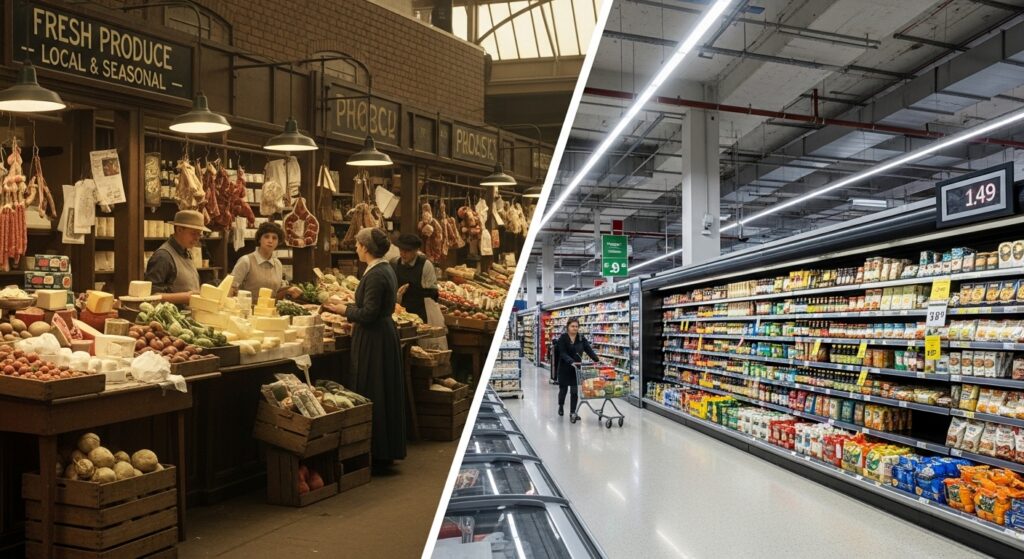
The world of grocery shopping has come a long way. From the humble beginnings of local markets, where neighbors exchanged fresh produce and goods, to the towering aisles of global giants, supermarkets have transformed our shopping experience significantly. These days, you can find everything from organic avocados to international snacks under one roof. But this evolution raises questions about convenience versus community support.
As we dive deeper into the journey that brought us here, we’ll explore how local markets have shaped small communities and how supermarket chains have expanded their reach. We’ll also examine the impact on independent businesses and what lies ahead for consumers caught between quick shopping trips and supporting their favorite local stores. Join us as we unravel the vibrant tapestry of supermarked history!
The Rise of Local Markets in Small Communities
Local markets have become vibrant hubs for small communities. They offer a unique shopping experience that larger supermarkets often can’t replicate.
These markets thrive on fresh, locally sourced products. Farmers and artisans showcase their goods, from organic vegetables to handmade crafts. Shoppers appreciate the personal touch and the stories behind each product.
Community bonds strengthen as residents gather at these markets. Neighbors connect over shared interests while supporting local businesses. This creates a sense of belonging that big chains struggle to foster.
Moreover, local markets drive economic resilience in small towns. By keeping spending within the community, they help sustain jobs and encourage entrepreneurship. The loyalty generated among shoppers nurtures growth and innovation.
As consumers seek authenticity, local markets stand out as beacons of sustainability and connection in an increasingly commercialized world. Their rise signals a shift towards valuing quality over convenience in our purchasing decisions.
Expansion and Consolidation of Supermarket Chains
The supermarket landscape has undergone a remarkable transformation over the past few decades. Chains that once catered to local neighborhoods have expanded rapidly, often swallowing smaller competitors along the way.
This expansion is driven by economies of scale. Larger chains can negotiate better prices from suppliers and pass these savings on to consumers. Their ability to offer a wide range of products under one roof attracts more foot traffic, creating a cycle of growth that’s hard for independent markets to compete against.
As supermarkets consolidate, we see fewer players controlling larger market shares. This shift brings about uniformity in shopping experiences but may strip away unique local flavors and offerings.
With each new acquisition or merger, the balance between corporate efficiency and community connection shifts further. Consumers enjoy convenience but at what cost? The charm of neighborhood grocery stores fades into memory as large chains dominate the retail scene.
The Impact on Local Businesses and Economy
The rise of supermarkets has significantly reshaped local economies. As big chains move in, small businesses face fierce competition. Many struggle to keep up with the pricing and variety that supermarked giants offer.
This shift often leads to a decline in unique local shops. Artisanal bakers, butchers, and farmers’ markets find it hard to survive when consumers flock toward larger stores for convenience and lower prices.
Moreover, as local businesses close down, communities lose more than just shops. Job opportunities diminish, and the vibrant character of neighborhoods can fade away. The economic ecosystem becomes imbalanced.
Yet some consumers are beginning to recognize the value of supporting their community’s small enterprises. This awareness may spark a resurgence in local shopping habits that could help revive struggling independent retailers while fostering a sense of community pride.
Challenges Faced by Independent Supermarkets
Independent supermarkets face a myriad of challenges in today’s market. One significant hurdle is competition from larger chains. These giants benefit from economies of scale, allowing them to offer lower prices that local shops struggle to match.
Additionally, marketing resources are often limited for independent stores. While big brands pour millions into advertising, smaller businesses rely on word-of-mouth and community ties, which may not be enough to attract new customers.
Supply chain issues also create obstacles for independents. Smaller supermarkets lack the negotiating power of their larger counterparts, making it tougher to secure favorable deals with suppliers.
Furthermore, as consumer preferences shift toward online shopping and convenience services like delivery apps, many independent markets find it difficult to adapt quickly. This fast-paced change can leave them feeling outpaced and overwhelmed by the rapid evolution of retail trends.
Changing Consumer Preferences and Shifts in the Market
Consumer preferences are undergoing a remarkable transformation. People today seek more than just basic groceries; they crave experiences and values that align with their lifestyles.
Sustainability is at the forefront of many shoppers’ minds. Eco-friendly packaging, organic produce, and ethically sourced products are now essential for modern consumers. They want to feel good about what they buy.
Health consciousness is another significant trend. Shoppers increasingly prioritize nutritious options over processed foods. This shift has prompted supermarkets to adapt their offerings, showcasing fresh ingredients and plant-based alternatives prominently.
Convenience remains key as well. Online shopping and same-day delivery services have reshaped how people approach grocery shopping. The demand for quick solutions continues to grow, forcing traditional markets to rethink their strategies.
As tastes evolve rapidly, supermarkets must remain agile in responding to these changes or risk falling behind in a fiercely competitive landscape.
The Dominance of Global Supermarket Giants
Global supermarket giants have reshaped the retail landscape in profound ways. These behemoths, such as Walmart and Tesco, wield incredible buying power. Their scale allows them to negotiate lower prices with suppliers, often passing those savings onto consumers.
The convenience they offer is unparalleled. With expansive selections and locations open nearly around the clock, customers can find what they need without hassle. This model appeals to busy lifestyles, capturing a significant share of consumer spending.
However, their dominance comes at a cost. Smaller retailers struggle to compete against these well-resourced entities. The local charm that once defined shopping experiences fades as neighborhoods begin losing unique stores that can’t sustain themselves under competitive pressure.
As global giants continue expanding their reach into emerging markets, the implications for local economies grow more complex. Communities face tough choices: embrace low prices or protect cherished small businesses and traditions from disappearing altogether.
Future Predictions for the Supermarket Industry
The future of supermarkets will likely be shaped by technology and consumer behavior. Automation is expected to play a significant role. Self-checkout kiosks and mobile scanning apps are just the beginning.
Online grocery shopping is becoming more prevalent. Shoppers appreciate convenience, especially in urban areas where time is scarce. Expect more investment in delivery services and curbside pickups.
Sustainability will also drive change. Consumers increasingly demand eco-friendly products, packaging, and practices from their favorite brands. Supermarkets may need to adapt or risk losing customers who prioritize green choices.
Health-focused offerings could gain traction too. With rising awareness around nutrition, stores might expand fresh produce sections and organic options to cater to health-conscious shoppers.
Community engagement remains vital. Local partnerships can differentiate supermarkets from global giants as they seek ways to foster loyalty among consumers yearning for connection amidst rapid globalization.
Finding Balance Between Convenience and Community Support
Finding balance in the supermarket landscape can be a delicate dance. On one hand, consumers crave convenience. Busy lifestyles demand quick solutions for groceries.
On the other hand, there’s an undeniable pull towards supporting local businesses. Community engagement fosters relationships and strengthens neighborhoods.
Supermarkets that understand this dynamic often thrive. They offer ready-to-eat meals and food delivery alongside locally sourced products. This blend caters to diverse needs while boosting local farmers and artisans.
Moreover, initiatives like community events or farmer’s markets held at supermarkets create a sense of belonging. Customers feel more connected when they know where their food comes from and who produces it.
Shopping shouldn’t just be transactional; it should enrich lives. The right approach intertwines efficiency with community spirit, allowing both trends to flourish side by side without compromising on either front.
Conclusion
The supermarket industry has undergone a remarkable transformation over the years. From quaint local markets serving small communities to global giants dominating the retail landscape, the evolution is striking. Local markets once thrived on personal interaction and community ties, offering unique products tailored to regional tastes. However, as supermarkets expanded and consolidated, many of these charming shops found themselves competing against larger entities with more resources.
This growth came at a cost for local businesses, often eroding their customer base and impacting local economies. Independent supermarkets face numerous challenges today—they must navigate fierce competition while adapting to consumer demands that lean towards convenience and variety.
As global brands take center stage in this arena, they shape shopping habits on an unprecedented scale. Consumers are drawn to mega-retailers for their extensive selections and competitive pricing but may overlook the benefits of supporting smaller enterprises.
Looking ahead, there’s potential for balance between convenience offered by large chains and the authenticity provided by independent stores. As shoppers become increasingly aware of their choices’ social impacts, they may choose sustainability over sheer volume.
Finding harmony in this evolving landscape will be key for both consumers and retailers alike as society navigates what it means to shop responsibly in a world dominated by “supermarked” giants yet yearning for community connection.