
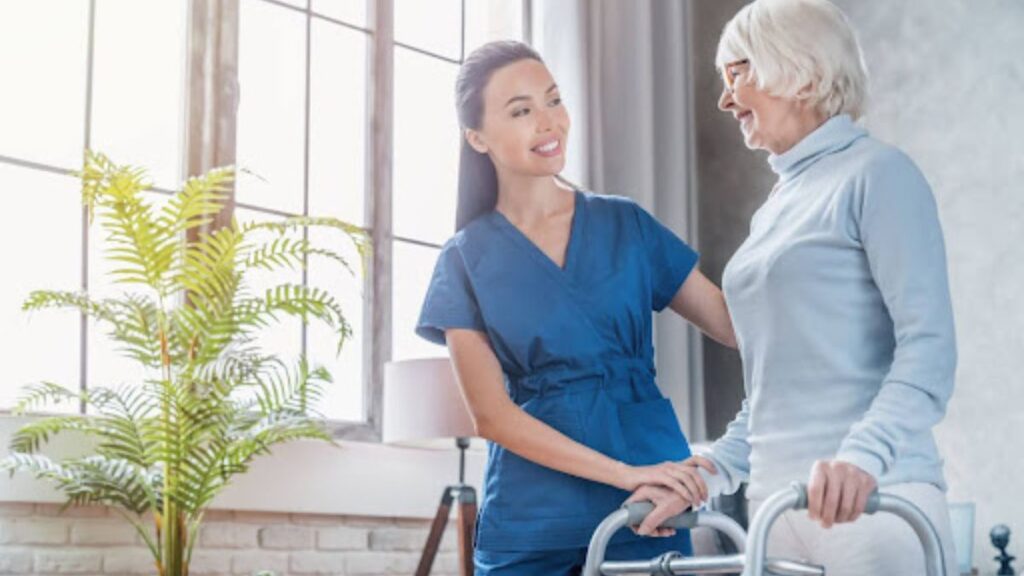
If you’re part of the sandwich generation — juggling school pickups in the afternoon and your mom’s blood pressure medication at night — you already know the drill. There’s no manual for this. One minute you’re packing lunchboxes, and the next you’re googling how to change a wound dressing at 11 p.m. The good news? You don’t need a nursing degree to keep your loved one safe and comfortable. You just need a handful of skills that actual healthcare professionals rely on every single day.
Here are five that’ll make your life a whole lot easier — and your caregiving a whole lot safer.
1. The 20-Second Hand Hygiene Rule (Yes, It Actually Matters That Much)
You’ve heard it a thousand times: wash your hands. But here’s the thing most people get wrong — duration. A quick rinse under the tap does practically nothing. Healthcare workers are trained to scrub with soap for a full 20 seconds, working the lather between fingers, under nails, and around the wrists. Think of it less as a habit and more as a protocol. When you’re helping someone with a weakened immune system, those 20 seconds are the cheapest, most effective infection barrier you’ve got. Stick a timer on your bathroom mirror if you have to.
2. Safe Transfers: How to Move Someone Without Wrecking Your Back
This is the one that sends more family caregivers to the chiropractor than anything else. Helping a parent get out of bed or into a wheelchair seems straightforward until you throw out your lower back doing it wrong. The trick is in your legs, not your arms. Bend at the knees, keep your feet shoulder-width apart, and hold the person close to your body before you lift. Nurses call it proper body mechanics, and it’s not just advice — it’s survival. A gait belt (a simple strap you can buy for under twenty bucks) is also a game-changer for anyone assisting someone with limited mobility.
3. Standard Precautions: Your Invisible Safety Net
In hospitals, staff treat every patient as though they could potentially transmit an infection. That’s not paranoia; it’s a framework called Standard Precautions. At home, this translates to wearing disposable gloves when handling bodily fluids, disposing of used materials in sealed bags, and sanitizing surfaces that get touched frequently. It sounds clinical, but once you build it into your routine, it becomes second nature — like buckling a seatbelt.
4. Patient Positioning: Small Adjustments, Big Outcomes
If your parent spends a lot of time in bed, repositioning them every couple of hours isn’t optional — it’s critical. Pressure ulcers (bedsores) can develop shockingly fast, sometimes in just a few hours on the same spot. Alternate between the back, left side, and right side. Use pillows to support bony areas like heels, hips, and shoulders. It takes two minutes and prevents problems that can take months to heal.
5. Vital Signs Monitoring: Know the Numbers That Matter
You don’t need a wall of hospital monitors. A basic blood pressure cuff, a pulse oximeter, and a digital thermometer cost less than dinner for four, and they give you real data to share with your parent’s doctor. Knowing what’s normal for your loved one means you’ll spot trouble early — before a small issue escalates into an ER visit. Keep a simple log on your phone or in a notebook so you can track patterns over time.
Raising Your Own Bar
You don’t need a medical degree to provide professional-grade care at home, but you do need the right protocols. From mastering Standard Precautions to understanding the nuances of patient positioning, these skills are the kind of thing that genuinely saves lives. For those who want to see how their home-care knowledge stacks up against professional certification standards, taking a CNA basic nursing skills practice test is an eye-opening exercise in safety and precision. You might be surprised at how much you already know — and where the gaps are.
Caregiving is hard. Nobody’s pretending otherwise. But every skill you pick up is one less thing to worry about at 2 a.m. And honestly, the people counting on you? They’re lucky to have someone who cares enough to learn.