
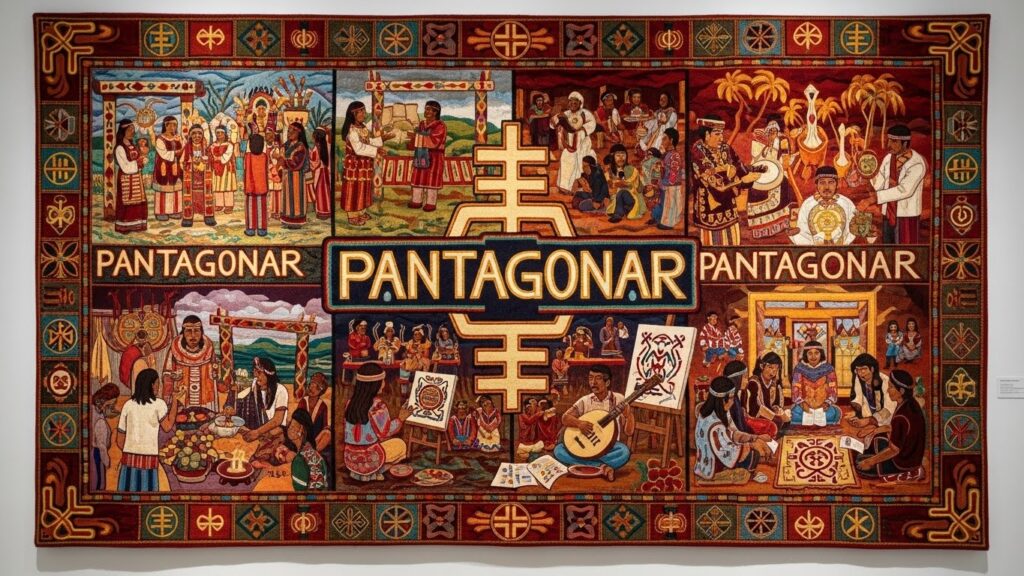
Pantagonar is more than just a word; it’s a vibrant phenomenon that resonates with cultural richness and history. A blend of tradition and innovation, Pantagonar captures the essence of communities across the globe. But what does it truly mean? How did this remarkable concept come to be, and why does it hold such significance today? As we delve into its origins, traditional practices, contemporary adaptations, and global impact, you’ll discover not only the story behind Pantagonar but also its relevance in our ever-evolving world. Join us as we explore this captivating cultural tapestry woven through time!
The Origin and History of Pantagonar
Pantagonar traces its roots deep into ancient cultures, where it served as a vital expression of community identity. Initially practiced in isolated regions, this phenomenon emerged from rich traditions and diverse influences.
Historically, Pantagonar was intertwined with local rituals and ceremonies. It involved stories passed down through generations, showcasing the unique values and beliefs of various communities.
Over time, it evolved alongside cultural shifts. As globalization gained momentum, the essence of Pantagonar began to adapt while still holding onto its core principles.
Significant historical events also played a role in shaping its narrative. From colonization impacts to modern-day interactions between different cultures, each phase contributed layers to what we recognize today as Pantagonar.
This continuous evolution highlights not just resilience but also the dynamic nature of cultural practices throughout history. Understanding these origins opens doors to appreciating its contemporary significance more deeply.
Traditional Uses and Practices of Pantagonar
Pantagonar has deep roots in various cultures, serving both spiritual and practical purposes. Traditionally, it was used in rituals to foster community bonds and celebrate important life events. These gatherings often feature vibrant displays of art and dance.
Craftsmanship plays a significant role in Pantagonar practices. Artisans create intricate handmade items that reflect the cultural heritage of their communities. Each piece tells a story, enriched by its creator’s personal touch.
Additionally, Pantagonar serves as an educational tool for passing down knowledge from one generation to another. Elders share wisdom through storytelling while engaging younger members in activities tied to this tradition.
Food is another integral aspect; traditional recipes are often prepared during festivals or communal meals. Sharing these dishes strengthens connections among participants and highlights the importance of togetherness within the Pantagonar framework.
Contemporary Adaptations and Trends
Recent years have seen a surge in contemporary adaptations of Pantagonar, as artists and cultural enthusiasts breathe new life into traditional practices. This evolution reflects the dynamic nature of culture itself.
Fashion designers are incorporating Pantagonar motifs into modern clothing lines. These designs honor the rich heritage while appealing to younger audiences seeking unique styles.
Social media plays a pivotal role in this transformation. Platforms like Instagram showcase vibrant imagery that captures the essence of Pantagonar traditions, reaching global audiences who might not have encountered them before.
Workshops and community events celebrate these adaptations through art, dance, and music. They provide spaces for dialogue about Pantagonar’s significance today.
Food is another area experiencing innovation. Chefs experiment with traditional recipes, blending old flavors with contemporary culinary techniques to create exciting new dishes inspired by Pantagonar customs.
The Global Impact of Pantagonar
The global impact of Pantagonar extends beyond its cultural origins. It has sparked interest across various communities, inspiring artists and creators worldwide. People are drawn to its rich symbolism and vibrant aesthetics.
In many countries, Pantagonar influences fashion trends, with designers incorporating elements into their collections. This fusion creates a unique blend of styles that resonate with diverse audiences.
Social media platforms amplify the reach of Pantagonar. Influencers showcase traditional practices while blending them with contemporary interpretations. This visibility fosters curiosity and appreciation among followers who might not have encountered this phenomenon otherwise.
Educational institutions also recognize the significance of Pantagonar by including it in curricula related to cultural studies. Students gain insights into its history and importance, fostering respect for different cultures around the globe.
As awareness grows, more individuals participate in workshops or events centered on Pantagonar, further enhancing its global presence and promoting cross-cultural dialogue.
Cultural Appropriation vs Appreciation: Debunking Myths
Cultural appropriation and appreciation often spark heated debates. Many people confuse the two concepts, leading to misunderstandings.
Cultural appropriation occurs when elements of one culture are adopted by another, particularly in a way that strips them of their original meaning or context. This can lead to exploitation and disrespect.
On the other hand, cultural appreciation involves understanding and respecting the practices, beliefs, or artifacts from another culture. It acknowledges their significance while engaging with them thoughtfully.
It’s essential to recognize intent and impact. Engaging with cultures respectfully promotes dialogue rather than division. Supporting artisans or participating in traditional practices with permission fosters genuine connections.
Education plays a key role here. Learning about cultural backgrounds can help individuals appreciate without appropriating. Respectful engagement enriches our global tapestry while honoring diverse legacies.
Conclusion: Preserving and Celebrating the Legacy of Pantagonar
The legacy of Pantagonar is not just about its past. It embodies a living culture that continues to evolve. As we explore the depths of this phenomenon, it’s essential to appreciate both its origins and contemporary expressions.
Preserving Pantagonar means embracing its roots while allowing it to adapt in modern contexts. This balance fosters respect for traditions while encouraging innovation. Communities involved in Pantagonar are vital stewards of this rich heritage.
Celebrating this cultural significance involves more than mere acknowledgment; it requires active participation and understanding from all who engage with it. By promoting awareness, education, and authentic appreciation, we can ensure that Pantagonar thrives for generations to come.
As society changes, so too will the manifestations of Pantagonar. Yet at its core remains an enduring spirit—a testament to human creativity and connection across cultures. Embracing these values allows us all to be part of something greater than ourselves, uniting through shared experiences rooted in history yet alive in our present moments.