
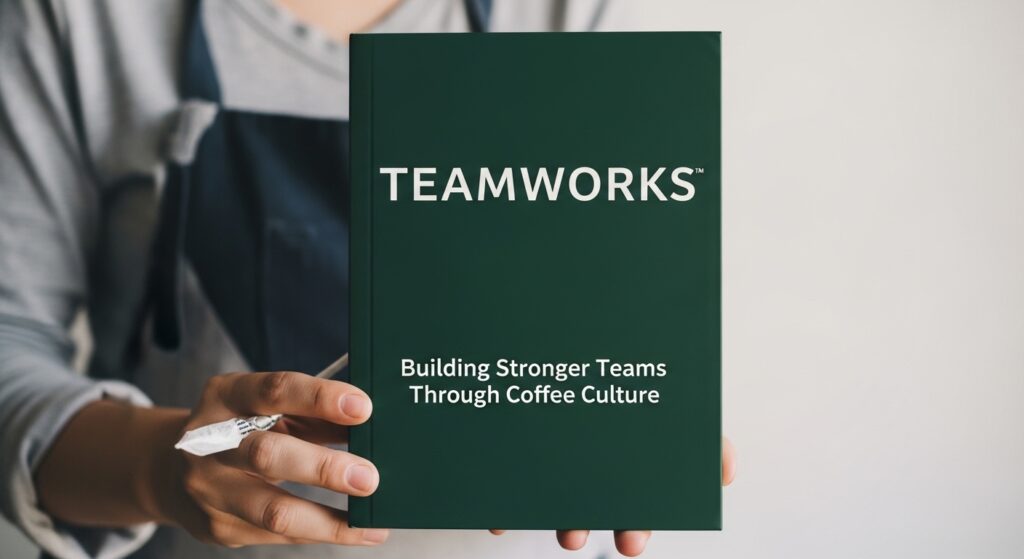
Have you ever walked into a Starbucks and felt the buzz of energy in the air? The rich aroma of freshly brewed coffee mingles with laughter, casual conversations, and friendly banter. This unique atmosphere is not just about serving great coffee; it’s about building connections. Welcome to Starbucks Teamworks—a concept that elevates teamwork through the power of coffee culture.
At Starbucks, every cup serves as a catalyst for collaboration and unity among team members. From baristas crafting beverages together to managers fostering relationships in their stores, coffee plays a pivotal role in creating an engaging workplace environment. Join us as we dive deeper into how this beloved brand nurtures strong teams through its vibrant coffee culture!
History and evolution of Starbucks’ coffee culture
Starbucks began its journey in 1971, rooted in a simple love for coffee. The founders envisioned a place where people could gather and enjoy high-quality brews.
As the company grew, so did its focus on creating an inviting atmosphere. By the late ’80s, Starbucks introduced espresso drinks, shifting from traditional brewing methods to modern café culture.
The 1990s saw rapid expansion across the United States and internationally. Each new store aimed to cultivate community connections through coffee.
With every cup served, Starbucks fostered conversation and collaboration among customers and employees alike. This emphasis on connection set it apart from other coffee chains.
Today, Starbucks stands as a cultural icon that symbolizes not just great coffee but also teamwork and camaraderie within its stores. Its evolution reflects changing tastes while maintaining a strong foundation in building relationships over shared experiences.
The role of coffee in team building
Coffee serves as a social glue in the workplace. It’s more than just a caffeine fix; it fosters connections among team members.
When colleagues gather around the coffee machine, conversations flow effortlessly. These casual interactions can ignite collaboration and spark creativity.
Sharing a cup of coffee creates an informal space for brainstorming ideas. It encourages open dialogue, allowing everyone to voice their thoughts without pressure.
In many cultures, coffee breaks are sacred moments of downtime that rejuvenate minds. Teams return from these breaks recharged and often more unified.
The ritual of brewing or savoring coffee together can also symbolize shared experiences—strengthening bonds over time while creating lasting memories within teams.
Benefits of a strong team dynamic in the workplace
A strong team dynamic fosters collaboration. When team members trust each other, they communicate openly and share ideas freely. This leads to creative solutions that might not emerge in a more siloed environment.
Additionally, a cohesive team boosts morale. Employees feel more satisfied when they know their contributions matter. A supportive atmosphere encourages individuals to reach their potential without fear of judgment.
Productivity often increases with a positive team dynamic as well. Team members hold each other accountable, pushing everyone to meet deadlines and achieve goals together.
Moreover, diversity thrives in such an environment. Different perspectives enhance problem-solving capabilities and lead to innovative outcomes that reflect various viewpoints.
Strong teams are also resilient during challenges. They adapt better to change and can pivot quickly while maintaining focus on common objectives, making them invaluable in today’s fast-paced workplaces.
How Starbucks incorporates coffee into their team building strategies
Starbucks understands that coffee is more than just a beverage; it’s a catalyst for connection. The company encourages team members to engage over freshly brewed cups during shifts. These moments foster communication and camaraderie.
The “Coffee Experience” training sessions are another avenue where Starbucks intertwines coffee culture with teamwork. Employees not only learn about brewing techniques but also share stories behind different roasts, creating shared knowledge and experiences.
Starbucks even hosts regular “coffee tastings” within teams, allowing baristas to collaborate on flavor profiles while bonding over their mutual love for coffee. This approach nurtures creativity and strengthens relationships.
Additionally, the ambiance of Starbucks stores promotes interaction among staff members. Comfortable seating areas invite conversation, turning work breaks into opportunities for building stronger connections among colleagues. This approach transforms everyday routines into meaningful interactions rooted in the joy of coffee.
Success stories of companies implementing similar tactics
Many companies have embraced coffee culture as a cornerstone of their team-building strategies. For instance, tech giants like Google have created cozy café-like spaces where employees can unwind and connect over a cup of java. This approach fosters creativity and collaboration.
In the retail sector, Zappos is renowned for its vibrant work environment. They offer free coffee to employees, encouraging informal gatherings that lead to stronger bonds among teams. The result? A highly motivated workforce dedicated to exceptional customer service.
Even smaller firms are seeing benefits from similar tactics. A local marketing agency introduced “coffee breaks” where team members share ideas while enjoying freshly brewed beverages. This initiative sparked innovation and improved morale throughout the office.
These success stories highlight how integrating coffee into daily routines can transform workplace dynamics, leading to enhanced teamwork and productivity across various industries.
Conclusion: Why coffee culture is an essential part of team building in the modern workplace
Coffee culture plays a pivotal role in fostering strong teams within the modern workplace. At Starbucks, this culture is not just about serving great coffee; it’s about creating an environment where collaboration thrives. The simple act of sharing a cup of coffee can break down barriers and spark conversations that lead to innovative ideas.
The warmth and familiarity associated with coffee create a sense of belonging among team members. This shared experience enhances connections, making it easier for individuals to communicate openly and work together effectively. When employees feel comfortable with one another, they are more likely to share their thoughts and contribute creatively.
In today’s fast-paced world, investing in team dynamics is essential for organizational success. Companies looking to replicate Starbucks’ approach can adopt similar strategies by encouraging informal gatherings over coffee or hosting regular team-building sessions centered around this beloved beverage.
Incorporating a rich coffee culture into the workplace isn’t just about caffeine—it’s about nurturing relationships that drive productivity and engagement. As more companies recognize the value of such practices, we may see an even greater emphasis on building communities through shared experiences over a simple cup of joe.