
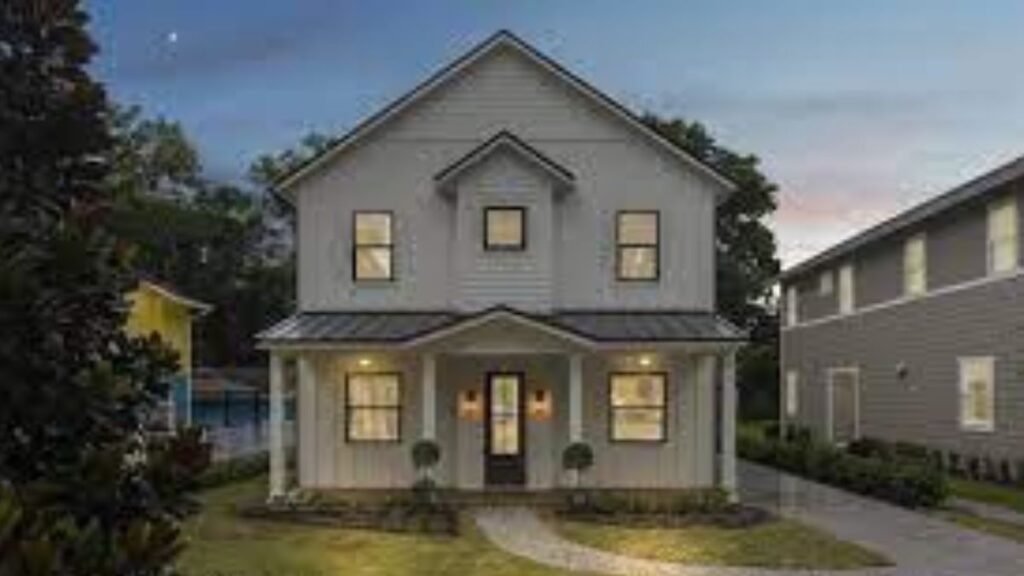
Running out of living space often forces families into a difficult choice. You can pack up and move, or you can expand your current house. If you lack the yard space to build outward, going upward provides a brilliant solution. Adding a second story lets you keep your outdoor space intact while doubling your interior square footage. This approach protects your garden and driveway while giving you the extra rooms you desperately need.
However, building up requires intense planning and preparation. This guide will help you understand the core requirements of vertical expansions. You will learn about structural assessments, zoning laws, design flow, and budgeting. Read on to discover the essential steps to take before starting your vertical home addition.
Assessing Your Current Foundation
Before you draft any floor plans, you must determine if your house can support the extra weight. A vertical extension adds massive loads to your existing walls and foundation.
Consulting a Structural Engineer
Your first step involves hiring a structural engineer. This professional will carefully inspect your foundation, load-bearing walls, and soil conditions. They will calculate exactly how much weight your current structure can safely handle. If your foundation falls short, the engineer can suggest specific reinforcement methods. Adding steel beams or pouring new concrete footings will strengthen the base. This crucial prep work ensures the upper addition remains safe and secure for decades.
Understanding Zoning Laws and Permits
Every city has specific rules regarding building heights and property lines. You must check local zoning regulations before investing in architectural drawings. Some neighborhoods enforce strict height limits to protect local views or maintain a specific aesthetic. You will also need to secure the proper building permits. Failing to get approval from your local planning department can result in heavy fines or the forced demolition of your new space.
Designing for Flow and Function
A successful vertical extension feels like a natural part of the original house. You want to avoid the awkward stacked box look that plagues poorly planned additions.
Matching the Existing Architecture
Work closely with an architect to blend the new level with your current exterior. The roofline, siding materials, and window styles should match the original floor perfectly. The main goal is to make the entire property look cohesive. Inside, you should maintain a consistent design language. Using similar flooring, trim, and paint colors connects the two levels seamlessly.
Planning the Staircase Placement
Adding a second story means you must build a physical way to reach it. Staircases consume a surprising amount of square footage on the main floor. You will likely need to sacrifice an existing small room, closet, or hallway to make room for the stairs. Place the staircase near the main entryway or living room for the best daily traffic flow. Keep the steps wide and well-lit to ensure maximum safety for everyone in the house.
Budgeting and Logistics
Building up generally costs less than buying a brand new, larger house. However, it still requires a substantial and realistic financial commitment.
Calculating the True Costs
Vertical additions often cost more per square foot than ground-level expansions. The price increases because contractors must remove the existing roof, reinforce the foundation, and work at elevated heights. You must also budget for upgraded electrical panels, plumbing extensions, and heavier HVAC systems to handle the new square footage. Always set aside an extra twenty percent of your budget for unexpected surprises hidden inside your walls.
Relocating During Construction
Removing your roof exposes your entire living space to the outdoor elements. The construction process creates massive amounts of dust, noise, and daily disruption. Therefore, you cannot comfortably live in the house while contractors frame the new level. You must plan to rent an apartment or stay with family for several months. Factor these temporary living expenses into your total project budget from the very beginning.
Future-Proofing Your New Space
When adding a new floor, you should think about your long-term mobility. Climbing steep stairs might become difficult as you grow older in the home.
Accessibility Considerations
You can make your new layout highly accessible by planning ahead right now. Stacking closets on top of one another creates a perfect shaft for future modifications. If you decide to install a lift later, the structural work is already complete. Finding reliable installers is easier than you might assume. For example, exploring affordable home elevators in Boise ID can provide excellent options for multi-level accessibility without draining your savings. Planning for this infrastructure now saves significant money and demolition work down the road.
Conclusion
Expanding your property vertically unlocks massive potential for your family. By completing structural checks, reviewing local laws, and budgeting carefully, you set your project up for absolute success. Take the time to design a space that flows naturally and accommodates your future needs. Reach out to a local architect today to start sketching the possibilities for your new upper level.